'%20stroke='%23ADB7CD'%3e%3cg%20id='斜线'%20transform='translate(466,%20173)'%3e%3cline%20x1='0'%20y1='10'%20x2='5'%20y2='0'%20id='路径'%3e%3c/line%3e%3c/g%3e%3c/g%3e%3c/g%3e%3c/svg%3e)
Why Do Proxy IP Prices Vary So Much?
Why Do Proxy IP Prices Vary So Much?
'%20fill='%23ADB7CD'%20fill-rule='nonzero'%3e%3cg%20id='日期'%20transform='translate(428,%20369)'%3e%3cpath%20d='M15,2%20L19,2%20C19.2652,2%2019.5196,2.10536%2019.7071,2.29289%20C19.8946,2.48043%2020,2.73478%2020,3%20L20,19%20C20,19.2652%2019.8946,19.5196%2019.7071,19.7071%20C19.5196,19.8946%2019.2652,20%2019,20%20L1,20%20C0.73478,20%200.48043,19.8946%200.29289,19.7071%20C0.10536,19.5196%200,19.2652%200,19%20L0,3%20C0,2.73478%200.10536,2.48043%200.29289,2.29289%20C0.48043,2.10536%200.73478,2%201,2%20L5,2%20L5,0%20L7,0%20L7,2%20L13,2%20L13,0%20L15,0%20L15,2%20Z%20M13,4%20L7,4%20L7,6%20L5,6%20L5,4%20L2,4%20L2,8%20L18,8%20L18,4%20L15,4%20L15,6%20L13,6%20L13,4%20Z%20M18,10%20L2,10%20L2,18%20L18,18%20L18,10%20Z%20M4,13%20L6,13%20L6,15%20L4,15%20L4,13%20Z%20M8,13%20L16,13%20L16,15%20L8,15%20L8,13%20Z'%20id='形状'%3e%3c/path%3e%3c/g%3e%3c/g%3e%3c/g%3e%3c/svg%3e) June 4.2026
June 4.2026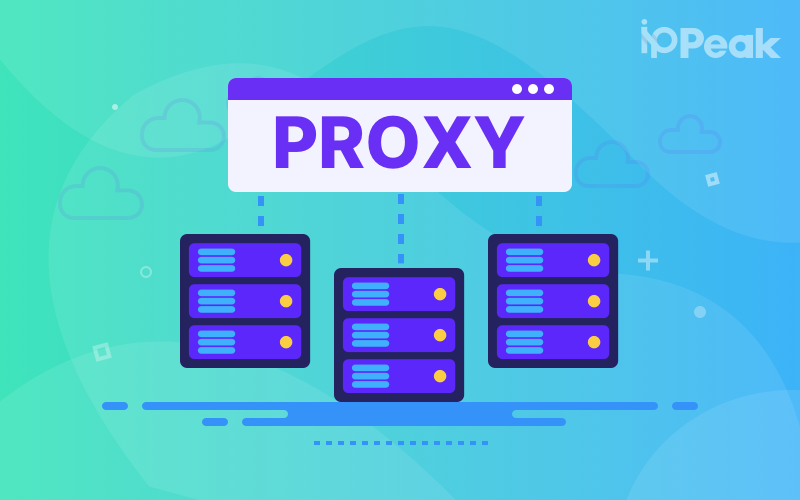
When choosing a proxy IP service, many users notice a common phenomenon: even though the service offered is still proxy IPs, prices can vary dramatically between providers. Some plans cost only a few dozen dollars per month, while premium proxy services may cost hundreds or even thousands of dollars.
So, why do proxy IP prices vary so much? What factors are behind these pricing differences? This article explores the key elements that influence proxy IP costs.
What Factors Determine Proxy IP Pricing?
Ⅰ. Type of IP Resources
Proxy IPs are generally categorized into datacenter proxies, residential proxies, and mobile proxies. Among these options, residential and mobile proxies rely on real-user network resources, making them significantly more expensive to acquire and maintain than datacenter proxies. As a result, they typically command higher prices. In most cases, pricing follows this order: Datacenter Proxies < Static Residential Proxies < Rotating Residential Proxies < Mobile Proxies. This difference in IP resource type is one of the primary reasons why proxy prices can vary so widely across the market.
Ⅱ. IP Pool Size Affects Costs
The size of a provider’s IP pool is another major factor that influences pricing. A larger IP pool allows providers to offer a greater number of available IP addresses, which helps reduce IP reuse, improve connection success rates, and deliver a more stable browsing experience. However, building and maintaining a large residential proxy network requires substantial and ongoing investment. Providers that operate networks with tens of millions of residential IPs typically incur higher infrastructure and operational costs, which are often reflected in their pricing.
Ⅲ. Geographic Location and Coverage
Not all countries and regions have the same IP acquisition costs. For example, residential IPs in the United States are relatively abundant, while residential IP resources in countries such as Germany are often more limited and harder to obtain. Proxy providers that support global coverage must maintain a much larger network infrastructure and a broader range of IP resources. As a result, their services are typically more expensive than those that only support a handful of countries. For businesses operating internationally, comprehensive geographic coverage is often far more valuable than simply choosing the lowest-cost option.
Ⅳ. Connection Success Rate and Stability
The biggest risk of low-cost proxies is often not speed, but reliability and availability. Common issues associated with inexpensive proxy services include high connection failure rates, frequent IP invalidation, and severe request timeouts. These problems can directly impact data collection efficiency, ad verification accuracy, automated business operations, and SEO monitoring performance. In contrast, premium proxy providers invest significantly more resources in maintaining network stability, resulting in higher success rates and better business continuity. IPPeak's residential proxy network offers a 99.9% service uptime rate, intelligent IP allocation, low-latency global nodes, and enterprise-grade infrastructure. These features help businesses minimize the risk of operational disruptions caused by unreliable proxy connections.
Ⅴ. Availability of Advanced Features
Higher-priced proxy services often include a range of enterprise-level features, such as API access, automatic IP rotation, session persistence, and IP whitelisting authentication. These advanced capabilities can significantly improve operational efficiency and simplify large-scale workflows. While they increase the overall cost of the service, the productivity gains they provide often outweigh the additional expense, especially for professional teams and enterprise users.
Conclusion
The wide variation in proxy IP pricing ultimately comes down to differences in IP quality, resource type, geographic coverage, network stability, and enterprise-grade functionality. Low-cost proxies may be suitable for basic testing or occasional use. However, for mission-critical applications such as web scraping, SEO monitoring, brand protection, ad verification, and cross-border e-commerce operations, investing in a reliable, high-quality proxy solution often delivers greater long-term value.
If you are looking for a residential proxy service that balances scale, reliability, and cost-effectiveness, IPPeak is a strong option to consider. With over 80 million ethically sourced residential IPs, coverage across more than 195 countries, high connection success rates, and unlimited residential proxy plans, IPPeak is designed to support businesses with demanding global networking requirements.
You might also enjoy
How Proxy IPs Enable Global Brand Infringement Monitoring and Early Warning
Protect your brand globally with proxy IPs for real-time infringement monitoring and early warning of counterfeits.
June 4.2026
Why Do Proxy IP Prices Vary So Much?
Proxy IP prices vary widely due to differences in IP quality, network size, location coverage, performance, and infrastructure costs.
June 4.2026
Proxy IP Use Cases and Applications Explained: Unexpected Ways to Unlock More Value
As internet-based businesses continue to evolve, proxy IPs are no longer tools used exclusively by technical professionals.
June 4.2026
'%3e%3cg%20id='装饰物左'%20transform='translate(70,%20789.5)%20scale(-1,%20-1)%20translate(-70,%20-789.5)translate(0,%20674)'%3e%3cmask%20id='mask-2'%20fill='white'%3e%3cuse%20xlink:href='%23path-1'%3e%3c/use%3e%3c/mask%3e%3cg%20id='矩形'%3e%3c/g%3e%3cg%20id='bg-graphic-5'%20mask='url(%23mask-2)'%3e%3cg%20transform='translate(0,%20-23)'%3e%3cline%20x1='140.97459'%20y1='23.29327'%20x2='66.47459'%20y2='97.7934'%20id='路径'%20stroke='%23DFE6F3'%20stroke-width='1'%20fill='none'%3e%3c/line%3e%3cline%20x1='140.99959'%20y1='154.6709'%20x2='79.99999'%20y2='215.6709'%20id='路径'%20stroke='%23DFE6F3'%20stroke-width='1'%20fill='none'%3e%3c/line%3e%3cline%20x1='140.99959'%20y1='110.2705'%20x2='24.44919'%20y2='226.8209'%20id='路径'%20stroke='%23DFE6F3'%20stroke-width='1'%20fill='none'%3e%3c/line%3e%3cline%20x1='140.99959'%20y1='64.945'%20x2='0'%20y2='205.9449'%20id='路径'%20stroke='%23DFE6F3'%20stroke-width='1'%20fill='none'%3e%3c/line%3e%3cline%20x1='140.99959'%20y1='196.2959'%20x2='83.64959'%20y2='253.6469'%20id='路径'%20stroke='%23DFE6F3'%20stroke-width='1'%20fill='none'%3e%3c/line%3e%3cline%20x1='141.35359'%20y1='110.6238'%20x2='89.97929'%20y2='161.9979'%20id='路径'%20stroke='%237868E6'%20stroke-width='2'%20fill='none'%3e%3c/line%3e%3cline%20x1='164.70859'%20y1='0'%20x2='113.33459'%20y2='51.3743'%20id='路径'%20stroke='%237868E6'%20stroke-width='2'%20fill='none'%3e%3c/line%3e%3ccircle%20id='椭圆形'%20stroke='%237868E6'%20stroke-width='2'%20fill='%23E1DDFD'%20fill-rule='nonzero'%20cx='86.61909'%20cy='165.2909'%20r='5'%3e%3c/circle%3e%3cline%20x1='117.47459'%20y1='178.4359'%20x2='103.61959'%20y2='192.2909'%20id='路径'%20stroke='%237868E6'%20stroke-width='1'%20fill='none'%3e%3c/line%3e%3cline%20x1='69.83009'%20y1='136.2929'%20x2='55.97459'%20y2='150.1489'%20id='路径'%20stroke='%237868E6'%20stroke-width='1'%20fill='none'%3e%3c/line%3e%3ccircle%20id='椭圆形'%20stroke='%237868E6'%20stroke-width='2'%20fill='%23E1DDFD'%20fill-rule='nonzero'%20cx='109.97459'%20cy='54.6672'%20r='5'%3e%3c/circle%3e%3c/g%3e%3c/g%3e%3c/g%3e%3c/g%3e%3c/g%3e%3c/svg%3e)
'%3e%3cg%20id='装饰物右'%20transform='translate(1780,%20214)'%3e%3cmask%20id='mask-2'%20fill='white'%3e%3cuse%20xlink:href='%23path-1'%3e%3c/use%3e%3c/mask%3e%3cg%20id='矩形'%3e%3c/g%3e%3cg%20id='bg-graphic-5'%20mask='url(%23mask-2)'%3e%3cg%20transform='translate(0,%20-23)'%3e%3cline%20x1='140.97459'%20y1='23.29327'%20x2='66.47459'%20y2='97.7934'%20id='路径'%20stroke='%23DFE6F3'%20stroke-width='1'%20fill='none'%3e%3c/line%3e%3cline%20x1='140.99959'%20y1='154.6709'%20x2='79.99999'%20y2='215.6709'%20id='路径'%20stroke='%23DFE6F3'%20stroke-width='1'%20fill='none'%3e%3c/line%3e%3cline%20x1='140.99959'%20y1='110.2705'%20x2='24.44919'%20y2='226.8209'%20id='路径'%20stroke='%23DFE6F3'%20stroke-width='1'%20fill='none'%3e%3c/line%3e%3cline%20x1='140.99959'%20y1='64.945'%20x2='0'%20y2='205.9449'%20id='路径'%20stroke='%23DFE6F3'%20stroke-width='1'%20fill='none'%3e%3c/line%3e%3cline%20x1='140.99959'%20y1='196.2959'%20x2='83.64959'%20y2='253.6469'%20id='路径'%20stroke='%23DFE6F3'%20stroke-width='1'%20fill='none'%3e%3c/line%3e%3cline%20x1='141.35359'%20y1='110.6238'%20x2='89.97929'%20y2='161.9979'%20id='路径'%20stroke='%237868E6'%20stroke-width='2'%20fill='none'%3e%3c/line%3e%3cline%20x1='164.70859'%20y1='0'%20x2='113.33459'%20y2='51.3743'%20id='路径'%20stroke='%237868E6'%20stroke-width='2'%20fill='none'%3e%3c/line%3e%3ccircle%20id='椭圆形'%20stroke='%237868E6'%20stroke-width='2'%20fill='%23E1DDFD'%20fill-rule='nonzero'%20cx='86.61909'%20cy='165.2909'%20r='5'%3e%3c/circle%3e%3cline%20x1='117.47459'%20y1='178.4359'%20x2='103.61959'%20y2='192.2909'%20id='路径'%20stroke='%237868E6'%20stroke-width='1'%20fill='none'%3e%3c/line%3e%3cline%20x1='69.83009'%20y1='136.2929'%20x2='55.97459'%20y2='150.1489'%20id='路径'%20stroke='%237868E6'%20stroke-width='1'%20fill='none'%3e%3c/line%3e%3ccircle%20id='椭圆形'%20stroke='%237868E6'%20stroke-width='2'%20fill='%23E1DDFD'%20fill-rule='nonzero'%20cx='109.97459'%20cy='54.6672'%20r='5'%3e%3c/circle%3e%3c/g%3e%3c/g%3e%3c/g%3e%3c/g%3e%3c/g%3e%3c/svg%3e)
© Copyright 2026 ippeak.com. All rights reserved.


