'%20stroke='%23ADB7CD'%3e%3cg%20id='斜线'%20transform='translate(466,%20173)'%3e%3cline%20x1='0'%20y1='10'%20x2='5'%20y2='0'%20id='路径'%3e%3c/line%3e%3c/g%3e%3c/g%3e%3c/g%3e%3c/svg%3e)
Leveraging IP Rotation Services to Enhance Network Security and Anonymity: An In-Depth Analysis of Enterprise Proxy Solutions
Leveraging IP Rotation Services to Enhance Network Security and Anonymity: An In-Depth Analysis of Enterprise Proxy Solutions
'%20fill='%23ADB7CD'%20fill-rule='nonzero'%3e%3cg%20id='日期'%20transform='translate(428,%20369)'%3e%3cpath%20d='M15,2%20L19,2%20C19.2652,2%2019.5196,2.10536%2019.7071,2.29289%20C19.8946,2.48043%2020,2.73478%2020,3%20L20,19%20C20,19.2652%2019.8946,19.5196%2019.7071,19.7071%20C19.5196,19.8946%2019.2652,20%2019,20%20L1,20%20C0.73478,20%200.48043,19.8946%200.29289,19.7071%20C0.10536,19.5196%200,19.2652%200,19%20L0,3%20C0,2.73478%200.10536,2.48043%200.29289,2.29289%20C0.48043,2.10536%200.73478,2%201,2%20L5,2%20L5,0%20L7,0%20L7,2%20L13,2%20L13,0%20L15,0%20L15,2%20Z%20M13,4%20L7,4%20L7,6%20L5,6%20L5,4%20L2,4%20L2,8%20L18,8%20L18,4%20L15,4%20L15,6%20L13,6%20L13,4%20Z%20M18,10%20L2,10%20L2,18%20L18,18%20L18,10%20Z%20M4,13%20L6,13%20L6,15%20L4,15%20L4,13%20Z%20M8,13%20L16,13%20L16,15%20L8,15%20L8,13%20Z'%20id='形状'%3e%3c/path%3e%3c/g%3e%3c/g%3e%3c/g%3e%3c/svg%3e) March 6.2026
March 6.2026
In today’s highly data-driven internet environment, network identity has become one of the most important identifiers in the digital world. Whether it is cross-border e-commerce, web data collection, ad verification, or social media operations, many online activities depend on a stable and trustworthy network environment. However, when the same IP address frequently accesses websites or sends high-volume requests, platform security systems can quickly identify abnormal behavior, which may trigger restrictions, CAPTCHA challenges, or even IP bans.
For this reason, more and more companies are adopting IP Rotation Services to enhance online anonymity and maintain stable access. By automatically switching between different IP addresses, users can maintain efficient connections while reducing the risk of being detected as suspicious traffic. As global proxy infrastructures continue to expand, IP rotation technology has become an essential component in areas such as data scraping, market research, and multi-account management.
In data-driven business environments, properly utilizing IP rotation can not only improve security but also significantly increase the efficiency of data acquisition.
Why IP Rotation Technology Is Becoming Increasingly Important
As internet platforms continue to upgrade their risk-control systems, websites have become far more capable of identifying traffic sources. Modern platforms do not simply monitor request frequency; they also analyze browser fingerprints, IP addresses, ASN information, geographic location, and behavioral patterns to detect anomalies.
Without IP rotation, if a single IP sends a large number of requests within a short period of time, servers will often mark the activity as suspicious. For data collection projects, this can mean slower access speeds or even entire IP ranges being blocked.
IP rotation services solve this problem by continuously switching exit IP addresses. Each request appears to originate from a different user, effectively distributing request loads and making access patterns resemble normal user behavior.
According to technical reports from several data collection platforms, when crawlers access large websites using a fixed IP address, anti-scraping mechanisms may be triggered within 30 minutes on average. However, when automatic IP rotation is enabled, request success rates can often exceed 90%. This technological advantage has made IP rotation a core component in enterprise-level data collection infrastructures.
How IP Rotation Services Work
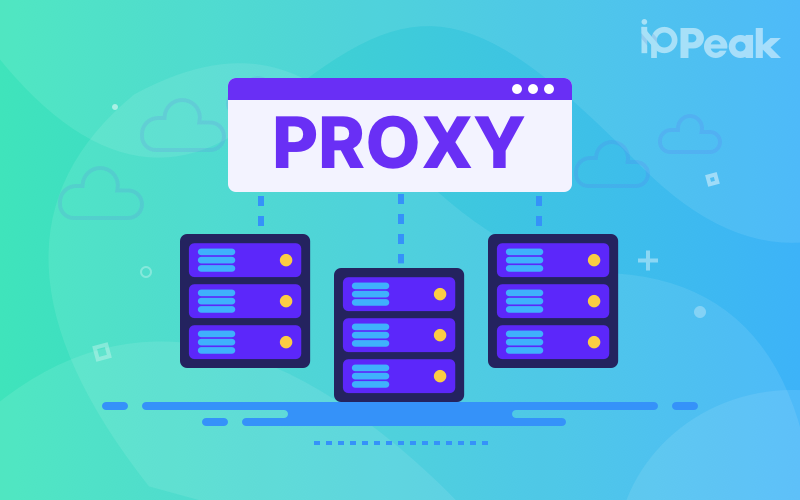
The core principle of IP rotation is dynamic IP allocation through proxy networks. Each time a user sends a request, the proxy server selects a new IP address from a large IP pool to serve as the exit node, preventing any single IP from being used repeatedly.
In modern proxy networks, this rotation process is typically handled by intelligent scheduling systems. These systems allocate the most suitable IP address based on request frequency, target website restrictions, and geographic requirements. The entire process is almost completely automated, meaning users do not need to manually switch network environments.
When the request volume increases, proxy systems can also automatically balance traffic by distributing tasks across different countries and ISP networks. This distributed access structure significantly reduces the load on individual nodes while improving overall connection stability.
Some large-scale proxy networks contain tens of millions of residential IP nodes, allowing requests to be distributed randomly across the globe. For enterprises that require continuous data collection or market monitoring, this level of IP resources can greatly reduce the risk of access restrictions.
The Key Role of IP Rotation in Web Data Collection
In data-driven business environments, companies increasingly rely on public data for market analysis. Typical examples include e-commerce price monitoring, airline ticket tracking, social media trend analysis, and search engine ranking monitoring.
These tasks often require sending large numbers of requests continuously, while most websites limit the access frequency of individual IP addresses. Without an IP rotation mechanism, data collection programs can easily be identified as automated bots.
By using proxy-based IP rotation systems, scraping programs can distribute requests across multiple network nodes. Each request comes from a different IP address, significantly reducing the probability of triggering anti-scraping mechanisms.
Industry data shows that when monitoring prices on large e-commerce platforms, the success rate of data extraction using a fixed IP is often below 40%. After switching to residential proxy rotation services, the success rate can increase to 85% or even higher.
This dramatic difference has made IP rotation technology an indispensable part of modern data collection strategies.
Multi-Account Operations and IP Rotation
IP rotation is not limited to data collection; it also plays an important role in social media operations.
Many platforms use IP addresses to determine relationships between accounts. If multiple accounts log in from the same IP address, the system may assume they are controlled by a single operator, increasing the risk of account restrictions.
With IP rotation services, different accounts can be assigned independent network exit points, making each account appear as if it originates from a separate user. This approach effectively reduces account linkage risks and improves operational stability.
In large social media marketing teams, a single project may involve managing dozens or even hundreds of accounts simultaneously. By using automated proxy systems to assign unique IP addresses to each account, teams can maintain both operational efficiency and a stable network environment.
Why Choosing a High-Quality Proxy Network Matters
Although IP rotation technology can significantly improve access security, the quality of the proxy network is equally critical. Low-quality proxies often suffer from high IP repetition rates, unstable connections, and high latency, all of which can directly reduce access success rates.
For enterprise-level applications, proxy networks typically require large-scale IP resources and globally distributed nodes. Some leading proxy platforms have already built residential networks covering more than 195 countries and regions, with over 80 million real IP addresses. Networks of this scale allow requests to be distributed more naturally, reducing the risk of detection as automated traffic.
For example, IPPeak provides a distributed proxy infrastructure that connects residential device nodes worldwide and includes an intelligent IP rotation system. The platform automatically selects optimal nodes based on access requirements while maintaining stable connection speeds. Even in high-concurrency environments, request success rates can remain consistently high.
For enterprises running long-term data collection projects or large-scale multi-account operations, reliable proxy infrastructure is often the key to maintaining business continuity.
Future Trends in IP Rotation Technology
As artificial intelligence and big data technologies evolve, anti-scraping systems on internet platforms are also becoming more sophisticated. Future risk-control systems will not only analyze IP addresses but will also combine behavioral pattern analysis and machine learning algorithms to detect automated access.
This means that simple IP switching alone may no longer be sufficient. Proxy networks will need to become more intelligent, incorporating features such as dynamic traffic allocation, behavior simulation, and more realistic browsing environments.
Under these trends, IP rotation services are gradually evolving into intelligent proxy networks. By combining data analytics with automated scheduling technologies, future proxy systems will be able to adjust access rhythms based on the strategies of target websites, enabling more stable and sustainable data acquisition.
Conclusion
IP rotation services have become a key technology in modern internet operations. Whether in data collection, market monitoring, or social media management, a stable and secure network environment is essential for maintaining long-term projects.
By properly utilizing IP rotation technology, companies can effectively distribute request loads, reduce the risk of being identified as abnormal traffic, and significantly improve data acquisition efficiency.
As global proxy networks continue to expand, more enterprises are integrating proxy infrastructure into their core technology stacks. Choosing a stable and large-scale proxy service platform can not only enhance online anonymity but also provide a strong technical foundation for long-term business growth.
You might also enjoy
ISP Direct Allocation: Unveiling the Unforgeable Identity Endorsement of Residential Proxy IPs
ISP direct allocation gives residential proxy IPs an unforgeable physical evidence chain—unlike datacenter IPs
March 6.2026
2026 Guide to Choosing Static Residential Proxies: How to Find Truly High-Quality IPs
Discover how to choose high-quality static residential proxies in 2026.
March 6.2026
IPPeak Rotating Residential Proxy-Reliable, Secure and High-Speed
IPPeak动态住宅代理低至$0.6/GB,支持无限并发、粘性会话、IP轮换及SOCKS5/HTTP。高级套餐享批量折扣、无有效期、CDKey分发与专属客户经理。
March 6.2026
'%3e%3cg%20id='装饰物左'%20transform='translate(70,%20789.5)%20scale(-1,%20-1)%20translate(-70,%20-789.5)translate(0,%20674)'%3e%3cmask%20id='mask-2'%20fill='white'%3e%3cuse%20xlink:href='%23path-1'%3e%3c/use%3e%3c/mask%3e%3cg%20id='矩形'%3e%3c/g%3e%3cg%20id='bg-graphic-5'%20mask='url(%23mask-2)'%3e%3cg%20transform='translate(0,%20-23)'%3e%3cline%20x1='140.97459'%20y1='23.29327'%20x2='66.47459'%20y2='97.7934'%20id='路径'%20stroke='%23DFE6F3'%20stroke-width='1'%20fill='none'%3e%3c/line%3e%3cline%20x1='140.99959'%20y1='154.6709'%20x2='79.99999'%20y2='215.6709'%20id='路径'%20stroke='%23DFE6F3'%20stroke-width='1'%20fill='none'%3e%3c/line%3e%3cline%20x1='140.99959'%20y1='110.2705'%20x2='24.44919'%20y2='226.8209'%20id='路径'%20stroke='%23DFE6F3'%20stroke-width='1'%20fill='none'%3e%3c/line%3e%3cline%20x1='140.99959'%20y1='64.945'%20x2='0'%20y2='205.9449'%20id='路径'%20stroke='%23DFE6F3'%20stroke-width='1'%20fill='none'%3e%3c/line%3e%3cline%20x1='140.99959'%20y1='196.2959'%20x2='83.64959'%20y2='253.6469'%20id='路径'%20stroke='%23DFE6F3'%20stroke-width='1'%20fill='none'%3e%3c/line%3e%3cline%20x1='141.35359'%20y1='110.6238'%20x2='89.97929'%20y2='161.9979'%20id='路径'%20stroke='%237868E6'%20stroke-width='2'%20fill='none'%3e%3c/line%3e%3cline%20x1='164.70859'%20y1='0'%20x2='113.33459'%20y2='51.3743'%20id='路径'%20stroke='%237868E6'%20stroke-width='2'%20fill='none'%3e%3c/line%3e%3ccircle%20id='椭圆形'%20stroke='%237868E6'%20stroke-width='2'%20fill='%23E1DDFD'%20fill-rule='nonzero'%20cx='86.61909'%20cy='165.2909'%20r='5'%3e%3c/circle%3e%3cline%20x1='117.47459'%20y1='178.4359'%20x2='103.61959'%20y2='192.2909'%20id='路径'%20stroke='%237868E6'%20stroke-width='1'%20fill='none'%3e%3c/line%3e%3cline%20x1='69.83009'%20y1='136.2929'%20x2='55.97459'%20y2='150.1489'%20id='路径'%20stroke='%237868E6'%20stroke-width='1'%20fill='none'%3e%3c/line%3e%3ccircle%20id='椭圆形'%20stroke='%237868E6'%20stroke-width='2'%20fill='%23E1DDFD'%20fill-rule='nonzero'%20cx='109.97459'%20cy='54.6672'%20r='5'%3e%3c/circle%3e%3c/g%3e%3c/g%3e%3c/g%3e%3c/g%3e%3c/g%3e%3c/svg%3e)
'%3e%3cg%20id='装饰物右'%20transform='translate(1780,%20214)'%3e%3cmask%20id='mask-2'%20fill='white'%3e%3cuse%20xlink:href='%23path-1'%3e%3c/use%3e%3c/mask%3e%3cg%20id='矩形'%3e%3c/g%3e%3cg%20id='bg-graphic-5'%20mask='url(%23mask-2)'%3e%3cg%20transform='translate(0,%20-23)'%3e%3cline%20x1='140.97459'%20y1='23.29327'%20x2='66.47459'%20y2='97.7934'%20id='路径'%20stroke='%23DFE6F3'%20stroke-width='1'%20fill='none'%3e%3c/line%3e%3cline%20x1='140.99959'%20y1='154.6709'%20x2='79.99999'%20y2='215.6709'%20id='路径'%20stroke='%23DFE6F3'%20stroke-width='1'%20fill='none'%3e%3c/line%3e%3cline%20x1='140.99959'%20y1='110.2705'%20x2='24.44919'%20y2='226.8209'%20id='路径'%20stroke='%23DFE6F3'%20stroke-width='1'%20fill='none'%3e%3c/line%3e%3cline%20x1='140.99959'%20y1='64.945'%20x2='0'%20y2='205.9449'%20id='路径'%20stroke='%23DFE6F3'%20stroke-width='1'%20fill='none'%3e%3c/line%3e%3cline%20x1='140.99959'%20y1='196.2959'%20x2='83.64959'%20y2='253.6469'%20id='路径'%20stroke='%23DFE6F3'%20stroke-width='1'%20fill='none'%3e%3c/line%3e%3cline%20x1='141.35359'%20y1='110.6238'%20x2='89.97929'%20y2='161.9979'%20id='路径'%20stroke='%237868E6'%20stroke-width='2'%20fill='none'%3e%3c/line%3e%3cline%20x1='164.70859'%20y1='0'%20x2='113.33459'%20y2='51.3743'%20id='路径'%20stroke='%237868E6'%20stroke-width='2'%20fill='none'%3e%3c/line%3e%3ccircle%20id='椭圆形'%20stroke='%237868E6'%20stroke-width='2'%20fill='%23E1DDFD'%20fill-rule='nonzero'%20cx='86.61909'%20cy='165.2909'%20r='5'%3e%3c/circle%3e%3cline%20x1='117.47459'%20y1='178.4359'%20x2='103.61959'%20y2='192.2909'%20id='路径'%20stroke='%237868E6'%20stroke-width='1'%20fill='none'%3e%3c/line%3e%3cline%20x1='69.83009'%20y1='136.2929'%20x2='55.97459'%20y2='150.1489'%20id='路径'%20stroke='%237868E6'%20stroke-width='1'%20fill='none'%3e%3c/line%3e%3ccircle%20id='椭圆形'%20stroke='%237868E6'%20stroke-width='2'%20fill='%23E1DDFD'%20fill-rule='nonzero'%20cx='109.97459'%20cy='54.6672'%20r='5'%3e%3c/circle%3e%3c/g%3e%3c/g%3e%3c/g%3e%3c/g%3e%3c/g%3e%3c/svg%3e)
© Copyright 2026 ippeak.com. All rights reserved.


