'%20stroke='%23ADB7CD'%3e%3cg%20id='斜线'%20transform='translate(466,%20173)'%3e%3cline%20x1='0'%20y1='10'%20x2='5'%20y2='0'%20id='路径'%3e%3c/line%3e%3c/g%3e%3c/g%3e%3c/g%3e%3c/svg%3e)
What Is a Proxy Hostname? Definition and Configuration Guide
What Is a Proxy Hostname? Definition and Configuration Guide
'%20fill='%23ADB7CD'%20fill-rule='nonzero'%3e%3cg%20id='日期'%20transform='translate(428,%20369)'%3e%3cpath%20d='M15,2%20L19,2%20C19.2652,2%2019.5196,2.10536%2019.7071,2.29289%20C19.8946,2.48043%2020,2.73478%2020,3%20L20,19%20C20,19.2652%2019.8946,19.5196%2019.7071,19.7071%20C19.5196,19.8946%2019.2652,20%2019,20%20L1,20%20C0.73478,20%200.48043,19.8946%200.29289,19.7071%20C0.10536,19.5196%200,19.2652%200,19%20L0,3%20C0,2.73478%200.10536,2.48043%200.29289,2.29289%20C0.48043,2.10536%200.73478,2%201,2%20L5,2%20L5,0%20L7,0%20L7,2%20L13,2%20L13,0%20L15,0%20L15,2%20Z%20M13,4%20L7,4%20L7,6%20L5,6%20L5,4%20L2,4%20L2,8%20L18,8%20L18,4%20L15,4%20L15,6%20L13,6%20L13,4%20Z%20M18,10%20L2,10%20L2,18%20L18,18%20L18,10%20Z%20M4,13%20L6,13%20L6,15%20L4,15%20L4,13%20Z%20M8,13%20L16,13%20L16,15%20L8,15%20L8,13%20Z'%20id='形状'%3e%3c/path%3e%3c/g%3e%3c/g%3e%3c/g%3e%3c/svg%3e) August 25.2026
August 25.2026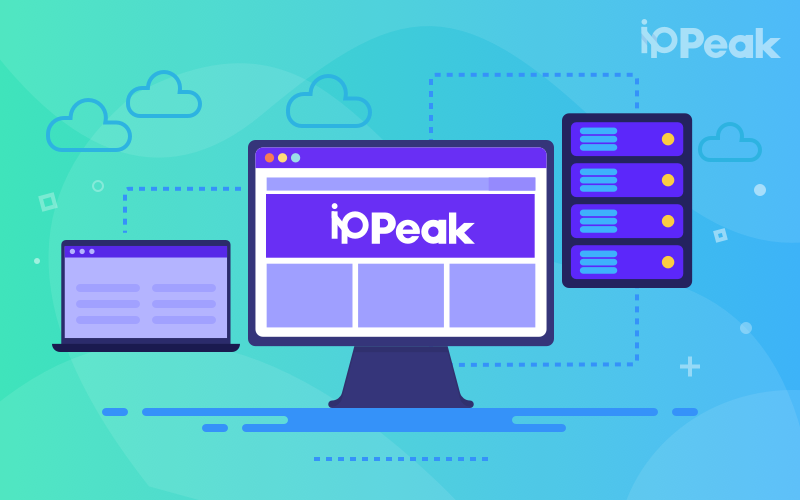
When configuring a proxy, users often come across the field “Proxy Hostname.” Although it may look like a simple address, it directly affects whether the proxy can connect properly. Understanding what a Proxy Hostname means and how it relates to IP addresses, ports, and proxy protocols can help users configure proxies more accurately and choose the right proxy service for their needs.
What Is a Proxy Hostname?
A Proxy Hostname refers to the hostname of a proxy server. It is usually provided as a domain name, but it can also be the IP address of the proxy server. The client uses this address to locate the proxy service and then establishes a connection through the specified port. Simply put, the Hostname determines “where to connect,” while the Port determines “which entry to use.”
Hostname vs. IP Address: What’s the Difference?
Both can be used to identify a proxy server, but they appear in different formats. An IP address is usually a series of numbers, while a Hostname is typically a more recognizable domain name. When a proxy service uses a network gateway for centralized routing, the Hostname can point to the proxy infrastructure without requiring users to stay tied to a specific IP. This makes it more suitable for scenarios that require IP rotation or flexible node management.
What Should You Consider When Configuring a Proxy Hostname?
When configuring a proxy, the Hostname usually cannot be used alone. You also need to enter the Port, protocol, and authentication information. Incorrect Hostname, port, or authentication parameters may result in connection failures or timeouts. Therefore, users should follow the complete configuration details provided by the proxy provider instead of modifying the hostname or port themselves.
Why Are Residential Proxies Better for Flexible Connections?
For compliant use cases such as market research, SEO monitoring, and e-commerce data analysis, the Proxy Hostname alone does not determine the overall experience. IP pool size, geographic coverage, connection success rate, and response speed are equally important. When accessing public data from different regions, a residential proxy network that supports flexible IP rotation can be more practical.
IPPeak Premium Residential Proxy Recommendation
If your business requires frequent IP rotation while maintaining reliable connections, IPPeak Residential Proxies are a suitable option. The service provides 80M+ quality residential IPs, a connection success rate of up to 99.95%, and an average response time of less than 0.5 seconds. It also supports unlimited concurrent sessions, IP rotation, and sticky sessions, starting at $0.6/GB.
Unlimited Proxies for High-Volume Traffic
If your Proxy Hostname is used for long-running tasks with high request volumes and concurrency, IPPeak Unlimited Residential Proxies can be a better fit. The service provides an 80M+ proxy pool, unlimited traffic, and unlimited concurrent sessions, while supporting HTTP/SOCKS5 and flexible IP rotation. Trials are available from $8/hour, making it suitable for continuous data analysis and market research tasks.
Choose the Right Proxy After Understanding Hostnames
A Proxy Hostname is simply one entry point for connecting to a proxy server. What truly determines proxy performance is the underlying IP quality, network reliability, protocol support, and routing capabilities. Once you understand how the Hostname works with the port and authentication details, you can choose between residential and unlimited proxies based on your business needs, making proxy configuration simpler and connections more reliable.
You might also enjoy
Dedicated IP vs. Shared IP: How to Choose?
Dedicated IP offers stability and exclusivity, while shared IP provides flexibility and scale. IPPeak delivers proxy solutions for different business needs.
August 25.2026
What Is a Proxy Hostname? Definition and Configuration Guide
Proxy Hostname explained: learn its role in proxy setup and discover IPPeak Unlimited Residential Proxies for reliable connections.
August 25.2026
2026 Static Residential Proxy Guide: How to Choose
Explore static residential proxies in 2026 and discover why IPPeak is a reliable choice for stable, fixed IP solutions.
August 25.2026
'%3e%3cg%20id='装饰物左'%20transform='translate(70,%20789.5)%20scale(-1,%20-1)%20translate(-70,%20-789.5)translate(0,%20674)'%3e%3cmask%20id='mask-2'%20fill='white'%3e%3cuse%20xlink:href='%23path-1'%3e%3c/use%3e%3c/mask%3e%3cg%20id='矩形'%3e%3c/g%3e%3cg%20id='bg-graphic-5'%20mask='url(%23mask-2)'%3e%3cg%20transform='translate(0,%20-23)'%3e%3cline%20x1='140.97459'%20y1='23.29327'%20x2='66.47459'%20y2='97.7934'%20id='路径'%20stroke='%23DFE6F3'%20stroke-width='1'%20fill='none'%3e%3c/line%3e%3cline%20x1='140.99959'%20y1='154.6709'%20x2='79.99999'%20y2='215.6709'%20id='路径'%20stroke='%23DFE6F3'%20stroke-width='1'%20fill='none'%3e%3c/line%3e%3cline%20x1='140.99959'%20y1='110.2705'%20x2='24.44919'%20y2='226.8209'%20id='路径'%20stroke='%23DFE6F3'%20stroke-width='1'%20fill='none'%3e%3c/line%3e%3cline%20x1='140.99959'%20y1='64.945'%20x2='0'%20y2='205.9449'%20id='路径'%20stroke='%23DFE6F3'%20stroke-width='1'%20fill='none'%3e%3c/line%3e%3cline%20x1='140.99959'%20y1='196.2959'%20x2='83.64959'%20y2='253.6469'%20id='路径'%20stroke='%23DFE6F3'%20stroke-width='1'%20fill='none'%3e%3c/line%3e%3cline%20x1='141.35359'%20y1='110.6238'%20x2='89.97929'%20y2='161.9979'%20id='路径'%20stroke='%237868E6'%20stroke-width='2'%20fill='none'%3e%3c/line%3e%3cline%20x1='164.70859'%20y1='0'%20x2='113.33459'%20y2='51.3743'%20id='路径'%20stroke='%237868E6'%20stroke-width='2'%20fill='none'%3e%3c/line%3e%3ccircle%20id='椭圆形'%20stroke='%237868E6'%20stroke-width='2'%20fill='%23E1DDFD'%20fill-rule='nonzero'%20cx='86.61909'%20cy='165.2909'%20r='5'%3e%3c/circle%3e%3cline%20x1='117.47459'%20y1='178.4359'%20x2='103.61959'%20y2='192.2909'%20id='路径'%20stroke='%237868E6'%20stroke-width='1'%20fill='none'%3e%3c/line%3e%3cline%20x1='69.83009'%20y1='136.2929'%20x2='55.97459'%20y2='150.1489'%20id='路径'%20stroke='%237868E6'%20stroke-width='1'%20fill='none'%3e%3c/line%3e%3ccircle%20id='椭圆形'%20stroke='%237868E6'%20stroke-width='2'%20fill='%23E1DDFD'%20fill-rule='nonzero'%20cx='109.97459'%20cy='54.6672'%20r='5'%3e%3c/circle%3e%3c/g%3e%3c/g%3e%3c/g%3e%3c/g%3e%3c/g%3e%3c/svg%3e)
'%3e%3cg%20id='装饰物右'%20transform='translate(1780,%20214)'%3e%3cmask%20id='mask-2'%20fill='white'%3e%3cuse%20xlink:href='%23path-1'%3e%3c/use%3e%3c/mask%3e%3cg%20id='矩形'%3e%3c/g%3e%3cg%20id='bg-graphic-5'%20mask='url(%23mask-2)'%3e%3cg%20transform='translate(0,%20-23)'%3e%3cline%20x1='140.97459'%20y1='23.29327'%20x2='66.47459'%20y2='97.7934'%20id='路径'%20stroke='%23DFE6F3'%20stroke-width='1'%20fill='none'%3e%3c/line%3e%3cline%20x1='140.99959'%20y1='154.6709'%20x2='79.99999'%20y2='215.6709'%20id='路径'%20stroke='%23DFE6F3'%20stroke-width='1'%20fill='none'%3e%3c/line%3e%3cline%20x1='140.99959'%20y1='110.2705'%20x2='24.44919'%20y2='226.8209'%20id='路径'%20stroke='%23DFE6F3'%20stroke-width='1'%20fill='none'%3e%3c/line%3e%3cline%20x1='140.99959'%20y1='64.945'%20x2='0'%20y2='205.9449'%20id='路径'%20stroke='%23DFE6F3'%20stroke-width='1'%20fill='none'%3e%3c/line%3e%3cline%20x1='140.99959'%20y1='196.2959'%20x2='83.64959'%20y2='253.6469'%20id='路径'%20stroke='%23DFE6F3'%20stroke-width='1'%20fill='none'%3e%3c/line%3e%3cline%20x1='141.35359'%20y1='110.6238'%20x2='89.97929'%20y2='161.9979'%20id='路径'%20stroke='%237868E6'%20stroke-width='2'%20fill='none'%3e%3c/line%3e%3cline%20x1='164.70859'%20y1='0'%20x2='113.33459'%20y2='51.3743'%20id='路径'%20stroke='%237868E6'%20stroke-width='2'%20fill='none'%3e%3c/line%3e%3ccircle%20id='椭圆形'%20stroke='%237868E6'%20stroke-width='2'%20fill='%23E1DDFD'%20fill-rule='nonzero'%20cx='86.61909'%20cy='165.2909'%20r='5'%3e%3c/circle%3e%3cline%20x1='117.47459'%20y1='178.4359'%20x2='103.61959'%20y2='192.2909'%20id='路径'%20stroke='%237868E6'%20stroke-width='1'%20fill='none'%3e%3c/line%3e%3cline%20x1='69.83009'%20y1='136.2929'%20x2='55.97459'%20y2='150.1489'%20id='路径'%20stroke='%237868E6'%20stroke-width='1'%20fill='none'%3e%3c/line%3e%3ccircle%20id='椭圆形'%20stroke='%237868E6'%20stroke-width='2'%20fill='%23E1DDFD'%20fill-rule='nonzero'%20cx='109.97459'%20cy='54.6672'%20r='5'%3e%3c/circle%3e%3c/g%3e%3c/g%3e%3c/g%3e%3c/g%3e%3c/g%3e%3c/svg%3e)
© Copyright 2026 ippeak.com. All rights reserved.


