'%20stroke='%23ADB7CD'%3e%3cg%20id='斜线'%20transform='translate(466,%20173)'%3e%3cline%20x1='0'%20y1='10'%20x2='5'%20y2='0'%20id='路径'%3e%3c/line%3e%3c/g%3e%3c/g%3e%3c/g%3e%3c/svg%3e)
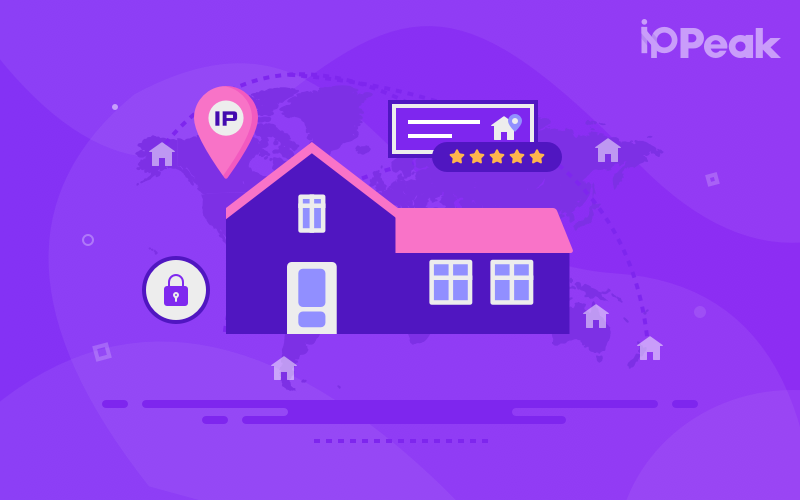
IP Buying Guide: Understanding the Core Differences Between Dedicated and Shared IPs
IP Buying Guide: Understanding the Core Differences Between Dedicated and Shared IPs
'%20fill='%23ADB7CD'%20fill-rule='nonzero'%3e%3cg%20id='日期'%20transform='translate(428,%20369)'%3e%3cpath%20d='M15,2%20L19,2%20C19.2652,2%2019.5196,2.10536%2019.7071,2.29289%20C19.8946,2.48043%2020,2.73478%2020,3%20L20,19%20C20,19.2652%2019.8946,19.5196%2019.7071,19.7071%20C19.5196,19.8946%2019.2652,20%2019,20%20L1,20%20C0.73478,20%200.48043,19.8946%200.29289,19.7071%20C0.10536,19.5196%200,19.2652%200,19%20L0,3%20C0,2.73478%200.10536,2.48043%200.29289,2.29289%20C0.48043,2.10536%200.73478,2%201,2%20L5,2%20L5,0%20L7,0%20L7,2%20L13,2%20L13,0%20L15,0%20L15,2%20Z%20M13,4%20L7,4%20L7,6%20L5,6%20L5,4%20L2,4%20L2,8%20L18,8%20L18,4%20L15,4%20L15,6%20L13,6%20L13,4%20Z%20M18,10%20L2,10%20L2,18%20L18,18%20L18,10%20Z%20M4,13%20L6,13%20L6,15%20L4,15%20L4,13%20Z%20M8,13%20L16,13%20L16,15%20L8,15%20L8,13%20Z'%20id='形状'%3e%3c/path%3e%3c/g%3e%3c/g%3e%3c/g%3e%3c/svg%3e) May 9.2026
May 9.2026
In network services, an IP address is like the "house number" of every device. Whether you’re a business building a website, sending emails, or an individual using proxies or cloud servers, you cannot avoid one choice: dedicated IP or shared IP? What are the core differences between them? How do you make the right decision based on your business needs? This article will break it down for you.
I. What Are Dedicated IP and Shared IP?
Dedicated IP – An IP address that is assigned to only one user or one domain at a given time. All traffic coming from that IP belongs to a single entity.
Shared IP – An IP address that is used simultaneously by multiple users, multiple websites, or multiple services. This is the default mode for scenarios such as shared hosting and public proxies.
II. Core Differences
Dedicated and shared IPs differ significantly in several key dimensions:
Isolation – Dedicated IP offers high isolation; other people’s problems won’t affect you. With a shared IP, if a “neighbor” engages in abusive behavior, the entire IP may be blacklisted, hurting your business. Providers like IPPeak offer native ISP static IPs that are clean, dedicated, and long‑term stable, ensuring that only you use that IP, effectively avoiding collateral risks.
Stability – A dedicated IP is fully under your control and delivers stable performance. A shared IP, on the other hand, is vulnerable to traffic spikes or abusive activities from other users, leading to fluctuations. IPPeak guarantees up to 99.9% service availability, keeping your continuous tasks uninterrupted.
HTTPS & SSL – A dedicated IP allows you to install an SSL certificate and supports direct access via the IP address. A shared IP usually relies on SNI technology, which may have compatibility issues with some older devices.
III. Which One Should You Choose?
Scenarios where a dedicated IP is suitable:
Running cross‑border e‑commerce or an independent website that needs stable SEO rankings and wants to avoid being penalised because of other shady sites sharing the same IP. IPPeak provides genuine residential IPs that mimic ordinary household users, greatly reducing the risk of being blocked by platform risk controls.Using remote desktop, API gateways or other services that require IP whitelisting – a dedicated fixed IP makes security policy configuration easier.Needing to install a private SSL certificate and access services directly via the IP address, for example for internal systems or development/test environments.Large‑scale data crawling, ad verification, or multi‑account operations that demand high‑frequency, high‑concurrency proxy support.
Scenarios where a shared IP is still suitable:
Personal blogs or small informational websites with low traffic and low sensitivity to IP reputation.Temporary testing or learning purposes where cost is the priority and long‑term stability is not required.Users employing a CDN or reverse proxy – their actual requests do not directly expose the origin server IP.
IV. Buying Tips
Clarify what “exclusive” means – Some providers claim to offer “dedicated IPs” but actually use a NAT where multiple VPSs share one egress IP. Make sure you are getting a truly independent public IP.
Check the IP’s historical reputation – Before purchasing, use tools such as MXToolBox or Talos Intelligence to see if the IP has been abused in the past. Choosing a provider like IPPeak with a large, clean IP pool can greatly reduce the risk of historical contamination.
Summary
Neither dedicated IPs nor shared IPs are absolutely good or bad – the key is to match your business needs. If you pursue high reliability, high reputation and full control, the extra cost of a dedicated IP is often well worth it. For low‑risk, low‑budget experimental projects, a shared IP remains a practical starting point. We hope this guide helps you clarify your thinking and make an informed IP purchasing decision.
You might also enjoy
IP Buying Guide: Understanding the Core Differences Between Dedicated and Shared IPs
Dedicated IP vs Shared IP: A complete analysis of core differences. Includes buying tips and usage scenarios to help you make an informed decision
May 9.2026
Beginner's Guide: The Difference Between IP Nodes and IP Addresses – Don't Get Confused Anymore
IP nodes vs IP addresses: house number vs the device behind it. Get this right, and you'll never be confused
May 9.2026

Why Choose Static Residential IPs? Use Cases and Stability Testing Guide
This article explains why static residential IPs are increasingly used.
May 9.2026
'%3e%3cg%20id='装饰物左'%20transform='translate(70,%20789.5)%20scale(-1,%20-1)%20translate(-70,%20-789.5)translate(0,%20674)'%3e%3cmask%20id='mask-2'%20fill='white'%3e%3cuse%20xlink:href='%23path-1'%3e%3c/use%3e%3c/mask%3e%3cg%20id='矩形'%3e%3c/g%3e%3cg%20id='bg-graphic-5'%20mask='url(%23mask-2)'%3e%3cg%20transform='translate(0,%20-23)'%3e%3cline%20x1='140.97459'%20y1='23.29327'%20x2='66.47459'%20y2='97.7934'%20id='路径'%20stroke='%23DFE6F3'%20stroke-width='1'%20fill='none'%3e%3c/line%3e%3cline%20x1='140.99959'%20y1='154.6709'%20x2='79.99999'%20y2='215.6709'%20id='路径'%20stroke='%23DFE6F3'%20stroke-width='1'%20fill='none'%3e%3c/line%3e%3cline%20x1='140.99959'%20y1='110.2705'%20x2='24.44919'%20y2='226.8209'%20id='路径'%20stroke='%23DFE6F3'%20stroke-width='1'%20fill='none'%3e%3c/line%3e%3cline%20x1='140.99959'%20y1='64.945'%20x2='0'%20y2='205.9449'%20id='路径'%20stroke='%23DFE6F3'%20stroke-width='1'%20fill='none'%3e%3c/line%3e%3cline%20x1='140.99959'%20y1='196.2959'%20x2='83.64959'%20y2='253.6469'%20id='路径'%20stroke='%23DFE6F3'%20stroke-width='1'%20fill='none'%3e%3c/line%3e%3cline%20x1='141.35359'%20y1='110.6238'%20x2='89.97929'%20y2='161.9979'%20id='路径'%20stroke='%237868E6'%20stroke-width='2'%20fill='none'%3e%3c/line%3e%3cline%20x1='164.70859'%20y1='0'%20x2='113.33459'%20y2='51.3743'%20id='路径'%20stroke='%237868E6'%20stroke-width='2'%20fill='none'%3e%3c/line%3e%3ccircle%20id='椭圆形'%20stroke='%237868E6'%20stroke-width='2'%20fill='%23E1DDFD'%20fill-rule='nonzero'%20cx='86.61909'%20cy='165.2909'%20r='5'%3e%3c/circle%3e%3cline%20x1='117.47459'%20y1='178.4359'%20x2='103.61959'%20y2='192.2909'%20id='路径'%20stroke='%237868E6'%20stroke-width='1'%20fill='none'%3e%3c/line%3e%3cline%20x1='69.83009'%20y1='136.2929'%20x2='55.97459'%20y2='150.1489'%20id='路径'%20stroke='%237868E6'%20stroke-width='1'%20fill='none'%3e%3c/line%3e%3ccircle%20id='椭圆形'%20stroke='%237868E6'%20stroke-width='2'%20fill='%23E1DDFD'%20fill-rule='nonzero'%20cx='109.97459'%20cy='54.6672'%20r='5'%3e%3c/circle%3e%3c/g%3e%3c/g%3e%3c/g%3e%3c/g%3e%3c/g%3e%3c/svg%3e)
'%3e%3cg%20id='装饰物右'%20transform='translate(1780,%20214)'%3e%3cmask%20id='mask-2'%20fill='white'%3e%3cuse%20xlink:href='%23path-1'%3e%3c/use%3e%3c/mask%3e%3cg%20id='矩形'%3e%3c/g%3e%3cg%20id='bg-graphic-5'%20mask='url(%23mask-2)'%3e%3cg%20transform='translate(0,%20-23)'%3e%3cline%20x1='140.97459'%20y1='23.29327'%20x2='66.47459'%20y2='97.7934'%20id='路径'%20stroke='%23DFE6F3'%20stroke-width='1'%20fill='none'%3e%3c/line%3e%3cline%20x1='140.99959'%20y1='154.6709'%20x2='79.99999'%20y2='215.6709'%20id='路径'%20stroke='%23DFE6F3'%20stroke-width='1'%20fill='none'%3e%3c/line%3e%3cline%20x1='140.99959'%20y1='110.2705'%20x2='24.44919'%20y2='226.8209'%20id='路径'%20stroke='%23DFE6F3'%20stroke-width='1'%20fill='none'%3e%3c/line%3e%3cline%20x1='140.99959'%20y1='64.945'%20x2='0'%20y2='205.9449'%20id='路径'%20stroke='%23DFE6F3'%20stroke-width='1'%20fill='none'%3e%3c/line%3e%3cline%20x1='140.99959'%20y1='196.2959'%20x2='83.64959'%20y2='253.6469'%20id='路径'%20stroke='%23DFE6F3'%20stroke-width='1'%20fill='none'%3e%3c/line%3e%3cline%20x1='141.35359'%20y1='110.6238'%20x2='89.97929'%20y2='161.9979'%20id='路径'%20stroke='%237868E6'%20stroke-width='2'%20fill='none'%3e%3c/line%3e%3cline%20x1='164.70859'%20y1='0'%20x2='113.33459'%20y2='51.3743'%20id='路径'%20stroke='%237868E6'%20stroke-width='2'%20fill='none'%3e%3c/line%3e%3ccircle%20id='椭圆形'%20stroke='%237868E6'%20stroke-width='2'%20fill='%23E1DDFD'%20fill-rule='nonzero'%20cx='86.61909'%20cy='165.2909'%20r='5'%3e%3c/circle%3e%3cline%20x1='117.47459'%20y1='178.4359'%20x2='103.61959'%20y2='192.2909'%20id='路径'%20stroke='%237868E6'%20stroke-width='1'%20fill='none'%3e%3c/line%3e%3cline%20x1='69.83009'%20y1='136.2929'%20x2='55.97459'%20y2='150.1489'%20id='路径'%20stroke='%237868E6'%20stroke-width='1'%20fill='none'%3e%3c/line%3e%3ccircle%20id='椭圆形'%20stroke='%237868E6'%20stroke-width='2'%20fill='%23E1DDFD'%20fill-rule='nonzero'%20cx='109.97459'%20cy='54.6672'%20r='5'%3e%3c/circle%3e%3c/g%3e%3c/g%3e%3c/g%3e%3c/g%3e%3c/g%3e%3c/svg%3e)
© Copyright 2026 ippeak.com. All rights reserved.


